
In 1915, people living in homes or apartments could expect that if their home caught fire, they’d have a one in ten chance of that fire killing them.
In 1915, people living in homes or apartments could expect that if their home caught fire, they’d have a one in ten chance of that fire killing them.
One hundred years later, the statistic has dropped to a one in one hundred chance of dying from fire in your home or apartment. The key change agent in those statistics is without a doubt the invention of the practical, inexpensive home smoke alarm.
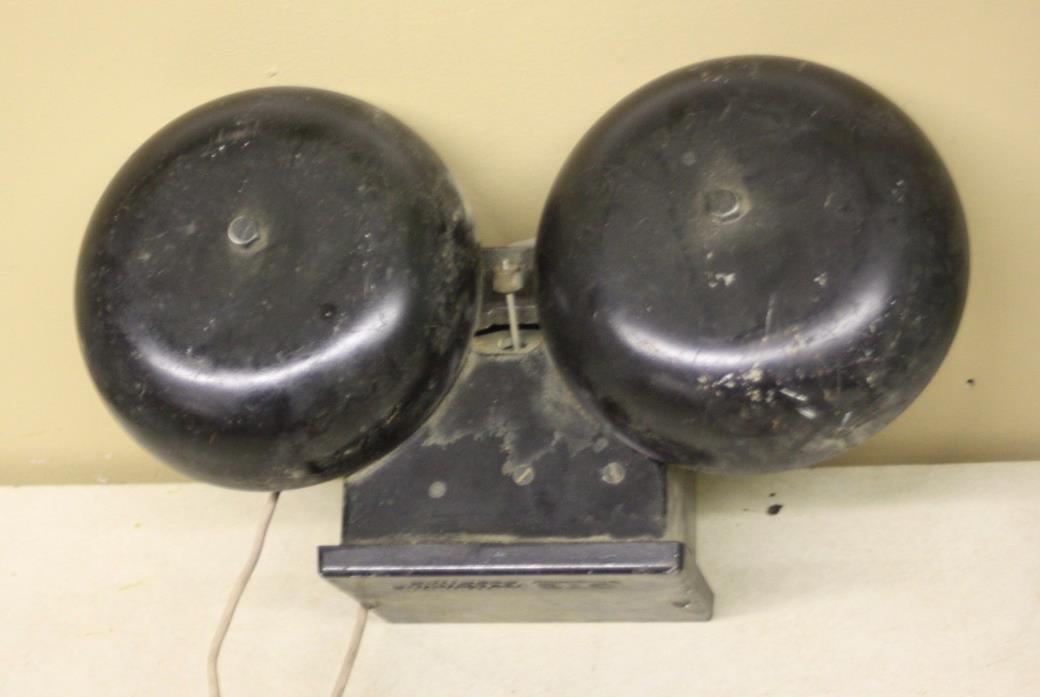
Smoke detectors have been around since the late 1890s. George Andrew Darby patented the first heat and smoke detector in 1902 in Birmingham, England. Twenty years later, Swiss physicist Walter Jaeger was working to invent a sensor for poison gas, but was failing. Sitting at his desk, he lit a cigarette and was startled to notice his “poison” device was responding to the smoke emitting from his coffin nail. His work translated into the road map for modern smoke detectors.
In 1939, another Swiss physicist Dr. Ernst Meli developed a device with an ionisation chamber that could detect gasses in underground mines. He also invented a cold-cathod tube that could amplify the small electronic signal created by the detection mechanism to a strength sufficient to trigger an alarm. The result was the ionisation smoke alarm. The first ionisation smoke detectors were extremely expensive. First introduced into the U.S. market in 1951, their use was limited to commercial and industrial facilities. There were various attempts at creating more practical devices, but as of 1963, were quite limited and did not have much public exposure.
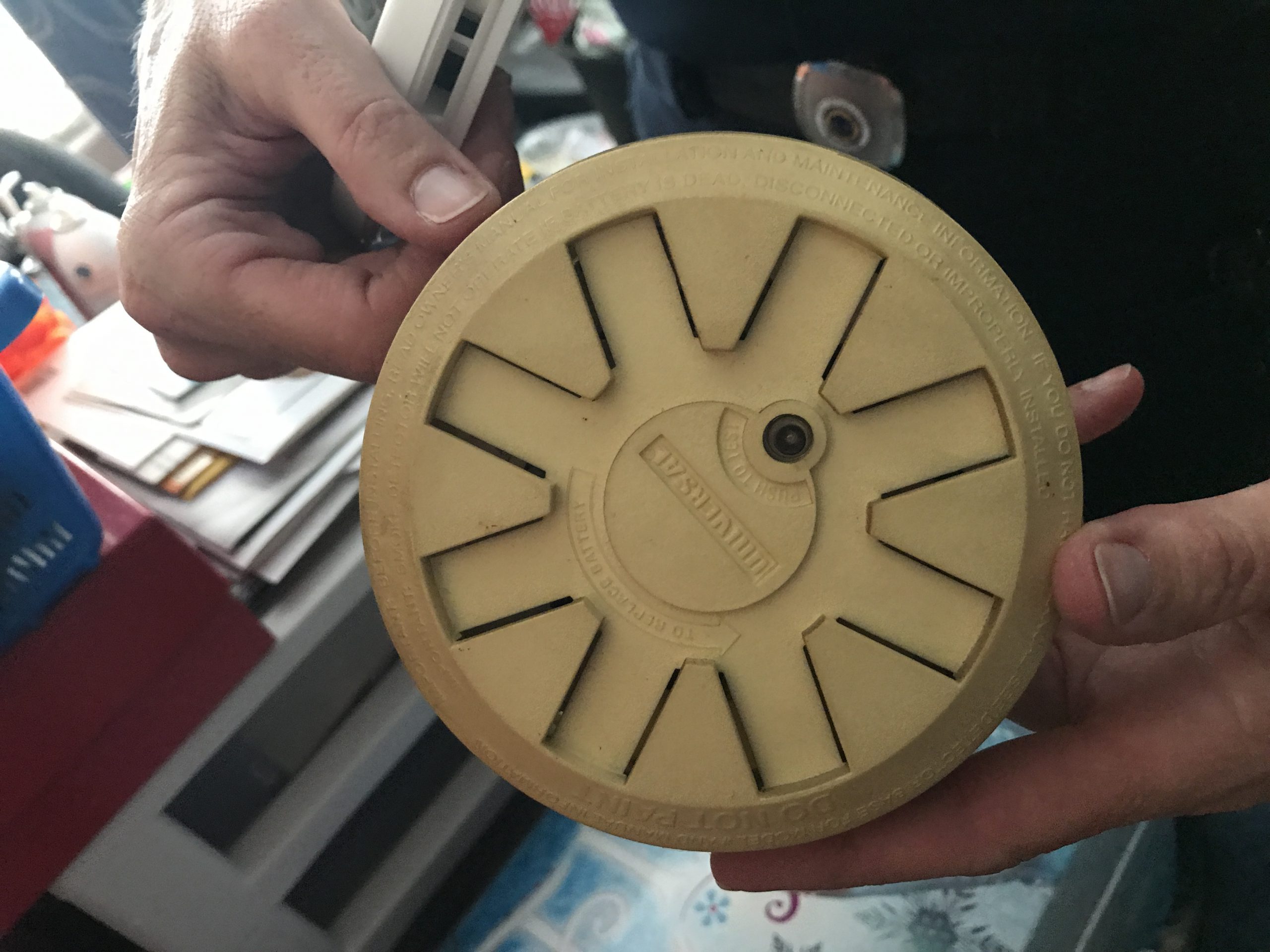
Stanley Peterson, who as an employee at Pearsall’s company, Statitrol Corporation, contributed to the evolution of smoke detectors by developing a widely copied plan for mass distribution. Even with these breakthroughs, the cost of individual alarms was still high, often reaching into the $200 + per unit range.
Sales jumped to an estimated 8 million units in 1976, and up to 12 million units the following year. A number of factors played into the increase in acceptance by the public, including solid-state circuitry, which made alarms more attractive, more effective sensing and alarm sounding, and the option of AA batteries in some models.
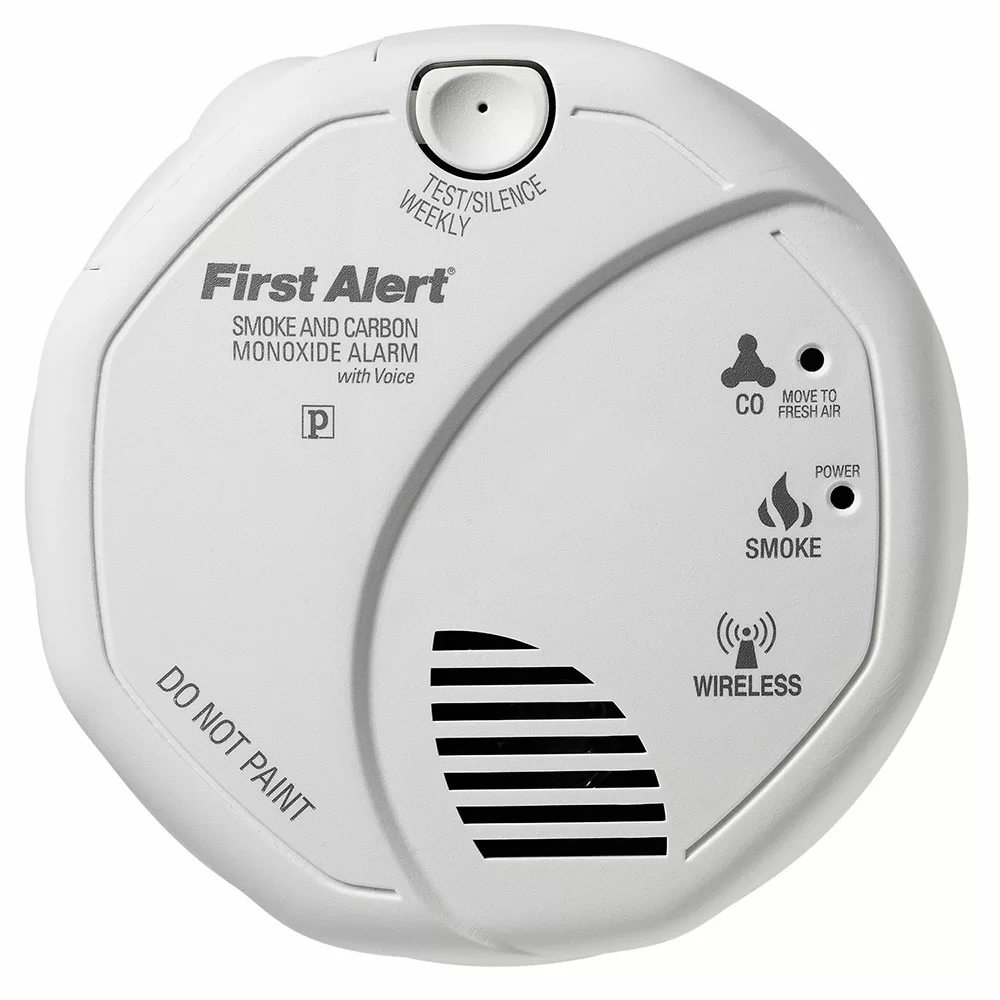
Development and distribution of smoke alarms was becoming competitive as contractors and home builders began including smoke alarms in their work. Statitrol sold its invention to Emerson Electric on 1980 and Sears retailers began selling the units nationwide with a, “now required in every home” campaign.
The first national standard for smoke detectors, now more commonly referred to as smoke alarms emerged in 1967. The National Fire Protection Association developed NFPA-74, which defined a standard by which smoke alarms could be used in the home. Shortly thereafter, the AEC allowed individual homeowners to use smoke alarms without getting a license from their local building department.
The Life Safety Code (NFPA 101) was passed by the NFPA in 1976, and was the first document that stated “smoke alarms are required” to be in every home. By 1980, an estimated 50% of all homes in the U.S. reported having working alarms. That number jumped to 75% by 1984.
In 1988 BOCA, ICBO, and SBCCI model building codes begin requiring smoke alarms to be interconnected and located in all sleeping rooms. In 1989 NFPA 74 was updated and required smoke alarms to be interconnected in all new home construction. In 1993, NFPA 72 first required that smoke alarms be placed in all bedrooms.
Get updates on the awesome things we are doing in the community, plus tips & tricks on how to stay safe.